How to Start a Rhinestone Shirt Business Without Overspending
Start a rhinestone shirt business with a realistic plan: the tools you need, the costs to list, what our licence allows, and how to start small.
To start a rhinestone shirt business you need a cutting machine that cuts rhinestone flock, a heat press, hotfix stones, template material, transfer tape, blank shirts and designs you are allowed to sell shirts from. Most people start small: a few designs in one theme, made for people they already know.
We can't promise what you will earn. That depends on your costs, prices, time and who buys near you. This guide helps you list the costs, stay inside the licence and avoid buying more than you need.
What you need
| Item | What it does | Good to know |
|---|---|---|
| Cutting machine | Cuts the template | Any machine that cuts rhinestone flock, such as Cricut Maker and Explore |
| Template flock | The template material | One cut template presses many shirts |
| Backer board | Holds the template while you brush | Keep the template on it between shirts |
| Hotfix rhinestones | The sparkle | Often sold by the gross (144) |
| Clear hotfix transfer tape | Lifts the stones | One piece per design |
| Heat press | Bonds the stones | Even heat and pressure across the design |
| Brush, parchment or non-stick sheet | Brushing and pressing | Small items, easy to forget |
| Blank shirts | What you sell | Test-press each new brand before an order |
Rhinestone template materials compares flock and other options. An iron can work for small pieces, but read heat press vs iron before you decide which to sell with.
The costs to list
Before you sell a shirt, write down your own number for each of these:
- Stones per shirt. Every product page lists the stones per colour. Add about 10% spare.
- Blank shirt. Price per shirt in the sizes and colours you will offer.
- Template material. One sheet per design, shared across every shirt you press from it.
- Transfer tape. One piece per design.
- Design files. Our singles and sports sets are $5.00, bundles $15.00, and six templates are free.
- Your time. Cutting and weeding happen once per template. Brushing, lifting, pressing and packing happen for every shirt.
- Selling costs. Fees, packaging, a care card, delivery.
- Equipment. The machine and press are one-off costs. Decide how many shirts it takes to pay them back.
We don't quote supply prices here because they change with supplier, country and quantity. Pricing rhinestone shirts turns this list into a price.
What our licence allows
One purchase covers one person or small business.
- You can make shirts for yourself and as gifts, sell finished items you made with the templates, and cut the template as many times as you need.
- You can't share, resell or give away the files, sell the designs as digital files, cut files or transfers made for resale in bulk, or put the files where others can download them.
Planning larger runs? Contact us first. The full text is on the licence page.
Keep your designs generic
Team, school and league logos, characters and brand names usually belong to someone else. Our designs are generic: sports balls, animal mascots, words. Make them personal with stone colours, such as team colours. If a school or club asks for its own logo, ask them for written permission first.
Start small
- Pick one theme you know. A theme such as sports moms at your children's games is easier to sell than a bit of everything.
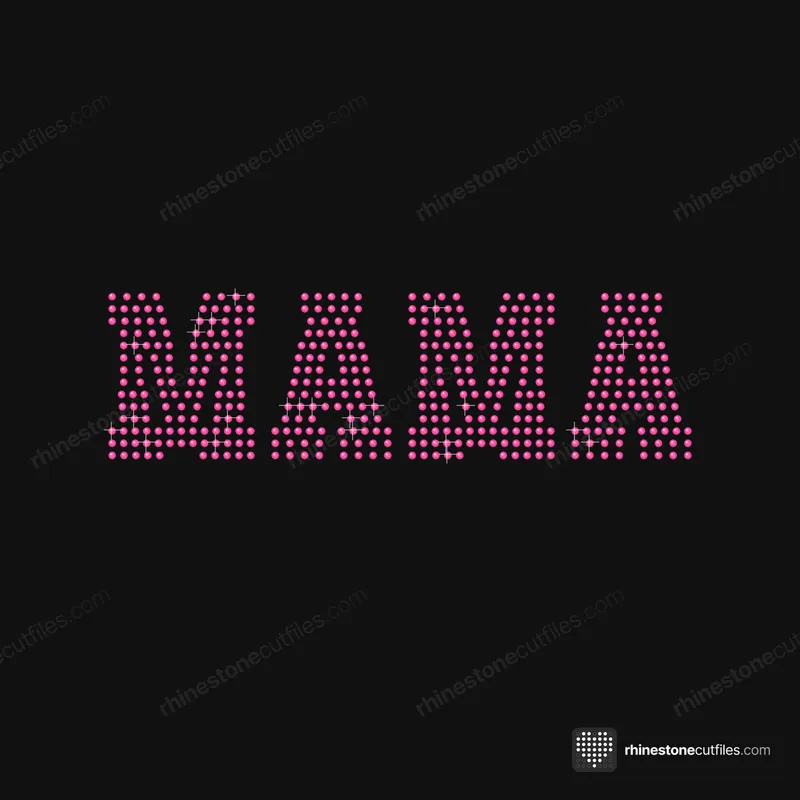
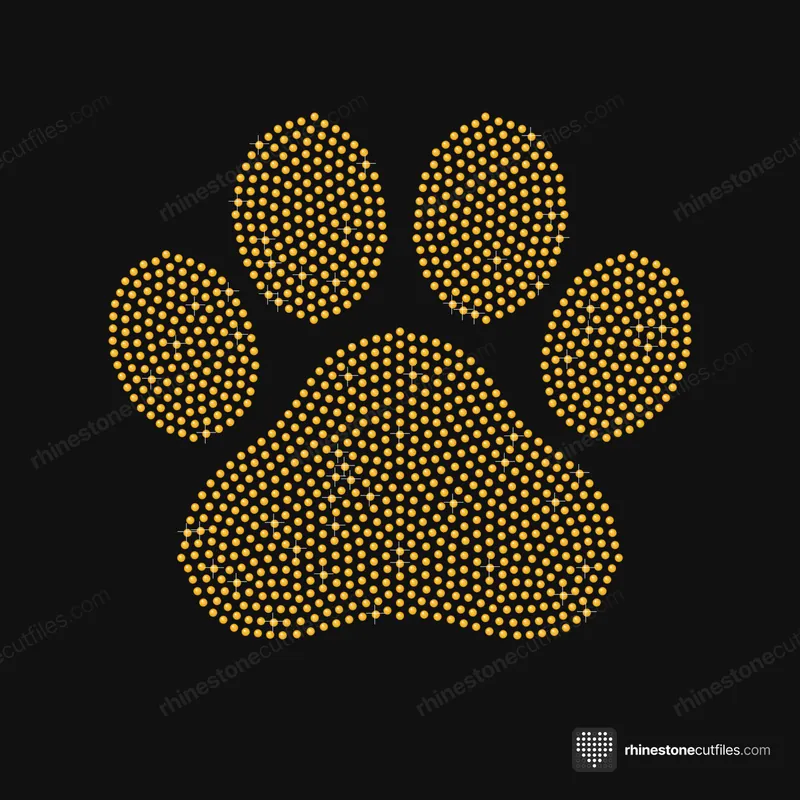
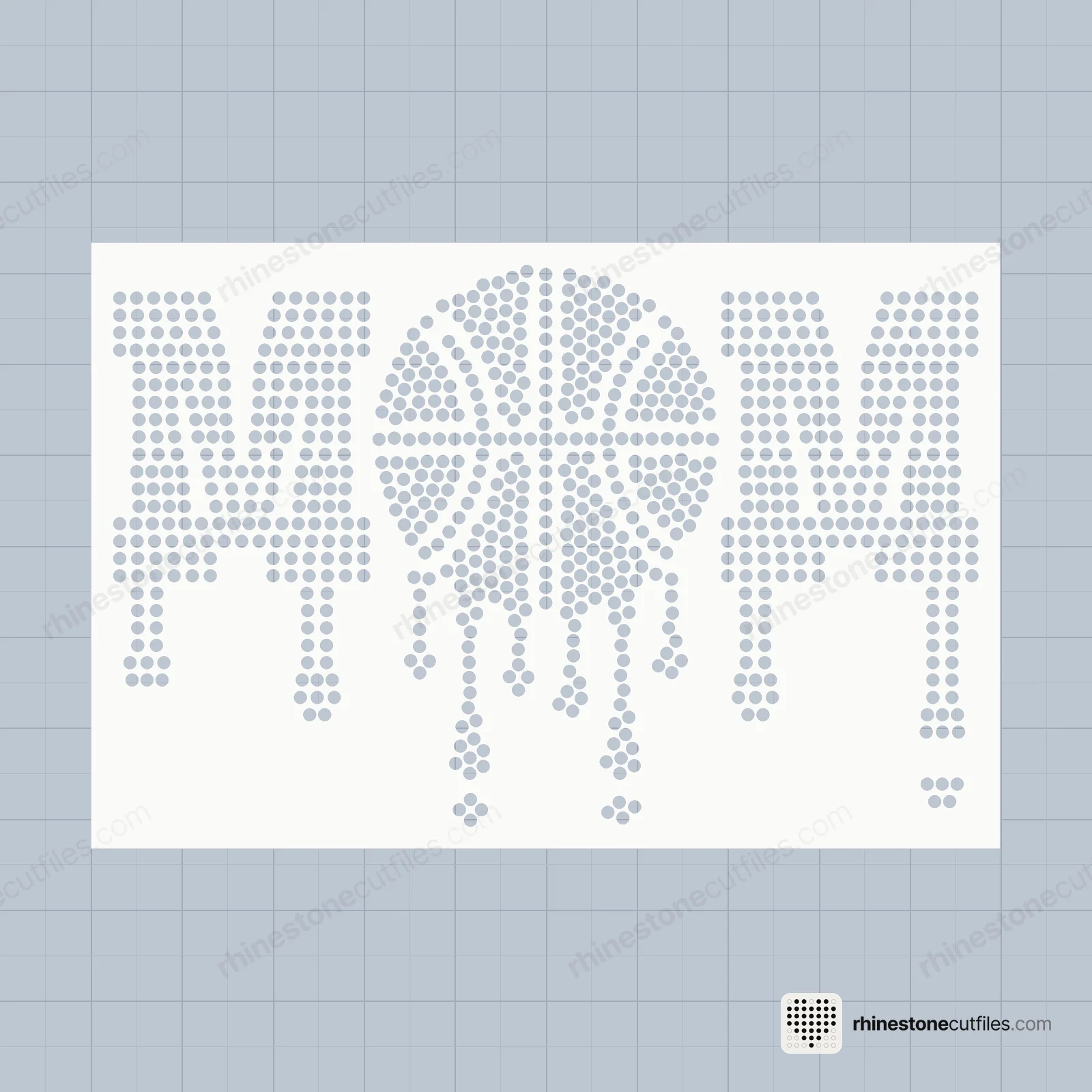
- Practise on free templates. Mama is one colour and 450 stones, and the Paw Print is one colour too.
- Make samples. Wear them, wash them, photograph them in daylight.
- Take a few orders from people you know. Time every step and note the stones you use.
- Add designs when people ask. A bundle such as the School Mascot Bundle makes sense once a theme sells.
Where to sell
Start where people know you: friends, team parents, school events, craft fairs and local groups. Online, you can sell through social pages, your own shop or a marketplace. Each has its own fees and rules, so read them before you list.
Quality that brings people back
- Press settings. 320-335 °F (160-168 °C) for 10-15 seconds, medium to firm pressure, with a cover sheet on top. Pre-press the shirt for a few seconds. Test each new shirt type on a spare.
- Check every stone after you peel. If one lifts, lay the tape back and press again.
- Give care instructions. Wait 48 hours, then wash inside out, cold and gentle, and hang to dry. Our washing guide has more.
- Keep templates for repeat orders. Store them flat on their backers; see reuse and store rhinestone templates.
The paperwork
Rules on registration, sales tax, income tax and insurance differ by country and state. Check with your local authority or an adviser before you take money.
FAQ
Do I need a heat press to start a rhinestone shirt business?
An iron can press small pieces, but a heat press gives even heat and pressure across the whole design, which matters when customers pay for the shirt. Decide based on how many shirts you expect to make.
Can I sell shirts made with your rhinestone templates?
Yes. You can sell finished shirts and other items you make with our templates. You can't share or resell the files.
Can I sell rhinestone transfers instead of shirts?
Our licence does not allow transfers made for resale in bulk. If you have a larger run in mind, contact us before you start.
How much does it cost to start a rhinestone shirt business?
It depends on the tools you already own, your suppliers and how many shirts you make. List every cost above with your own prices, plus any machine or press you need to buy.
What designs should I start with?
Start with one theme your buyers care about, such as a sport, a school or a season. We can't tell you what will sell in your area, so make a few samples and see what people ask for.