Glass vs resin vs acrylic rhinestones: what's the difference?
Glass vs resin vs acrylic rhinestones compared: sparkle, weight, heat, wear and cost, and which stone type suits hotfix bling shirts made with a template.
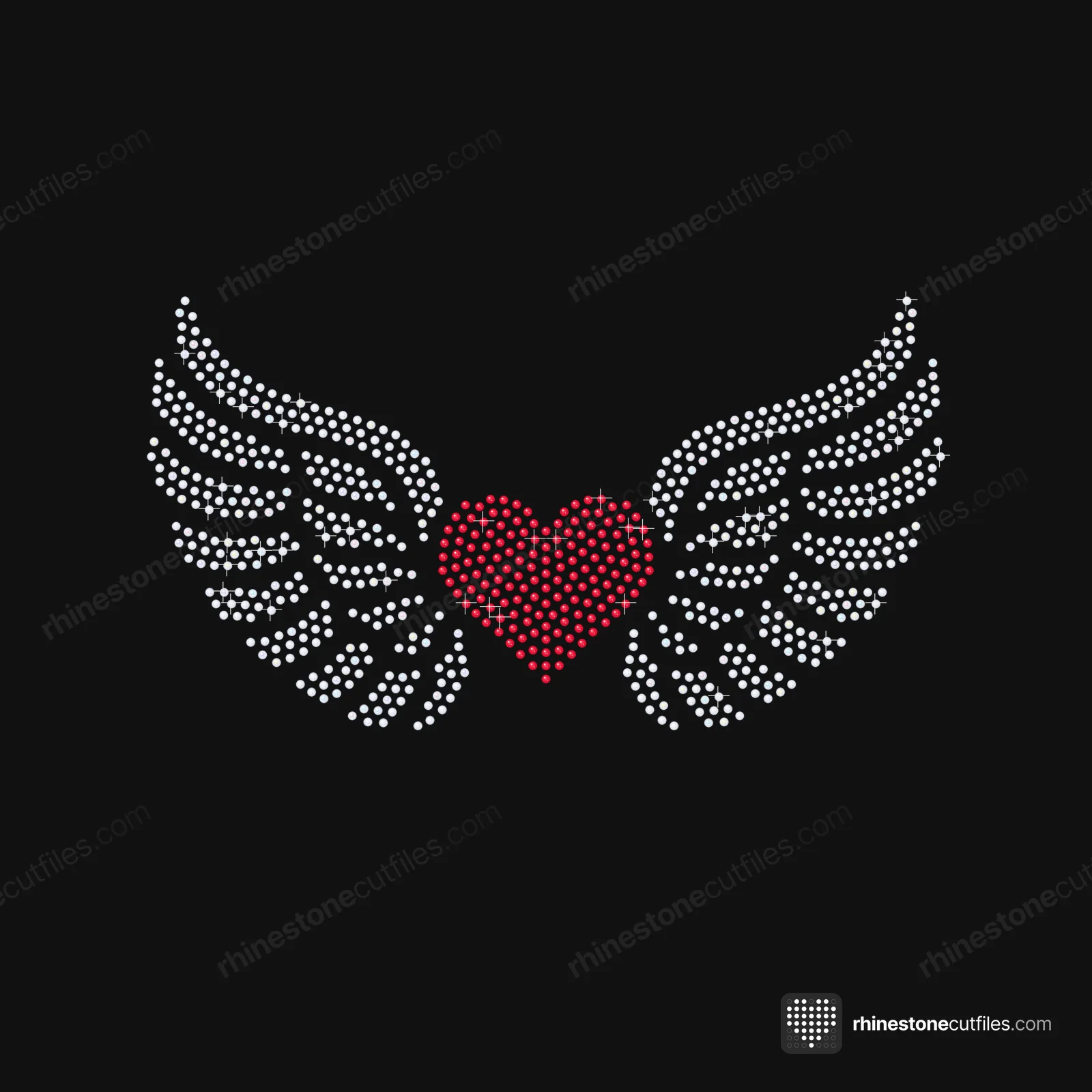
In glass vs resin vs acrylic rhinestones, glass gives the most sparkle and is the usual choice for hotfix shirts; resin and acrylic are lighter plastic stones that cost less but shine less and can wear faster. For a bling shirt you'll press and wash, glass hotfix stones are the safe pick.
Quality varies a lot within each type, so treat this as a general guide and check what the seller says about each batch.
Glass, resin and acrylic at a glance
| Glass | Resin | Acrylic | |
|---|---|---|---|
| Material | Glass, cut facets | Moulded resin | Moulded plastic |
| Sparkle | Highest | Medium | Lowest |
| Weight | Heaviest | Light | Lightest |
| Hotfix versions | Common | Less common | Less common |
| Under a heat press | Takes the heat | Varies: test first | Can soften or dull: test first |
| Wear over time | Keeps its shine | Can scuff or dull | Can scratch or cloud |
| Cost | Highest | Lower | Lowest |
| Best for | Shirts you'll press and wash | Glue-on crafts, budget accents | Costumes, kids' crafts, glue-on decor |
Glass rhinestones
Glass rhinestones are cut with facets and usually have a foil back that reflects light up through the stone. That's what gives the bright, sharp sparkle people expect from a bling shirt. Many hotfix stones sold for shirts are glass, and glass takes the heat of a press without changing shape.
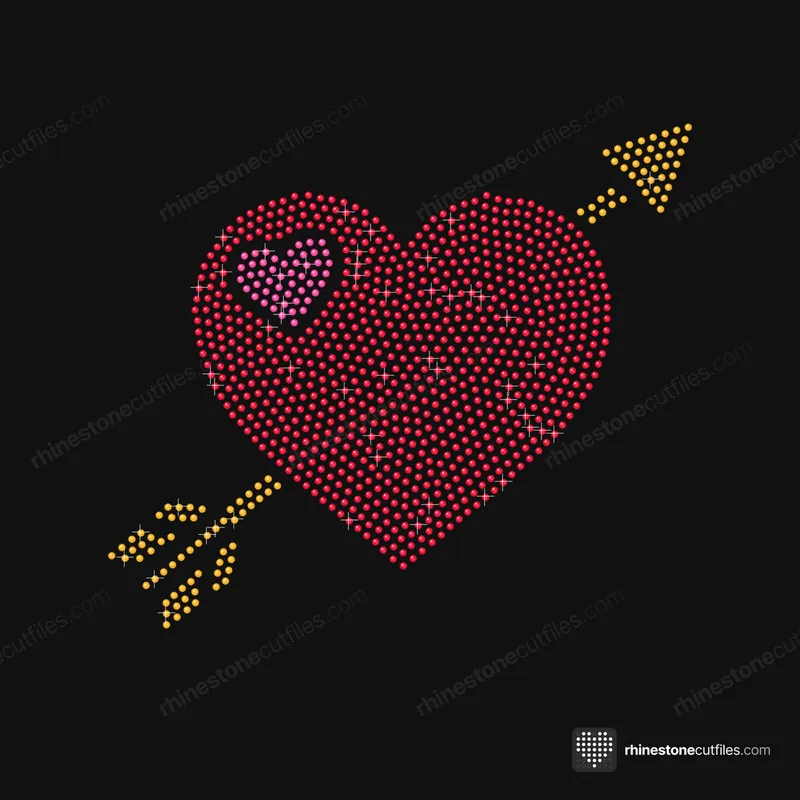
They're the heaviest and usually the priciest of the three, and quality varies between batches. Look for even sizes, clean facets and steady colour. Our templates are cut for SS6 (2.0 mm), SS10 (2.8 mm) and SS16 (3.9 mm) stones, so check the size on the pack. Designs with lots of clear stones, like our Winged Heart with 618 Crystal stones at SS10, rely most on that sparkle.
Resin rhinestones
Resin stones are moulded, often with facets on top and a flat back. They're light, cost less and come in many colours and finishes. Resin is popular for glue-on projects such as tumblers, phone cases and cards.
The trade-offs: less sparkle than glass, facets that can scuff or dull with wear, and fewer hotfix options. If you find resin stones sold as hotfix, test one on scrap fabric at your press settings before a full shirt.
Acrylic rhinestones
Acrylic stones are the lightest and lowest-cost option. They're common in costume pieces, kids' crafts, sew-on gems and glue-on decorations.
Acrylic has the least sparkle, and it can scratch, cloud or soften with heat. Rhinestones are pressed at 320-335 °F (160-168 °C), so if an acrylic stone is sold as hotfix, test it first and follow the seller's instructions.
Does the stone material change the template?
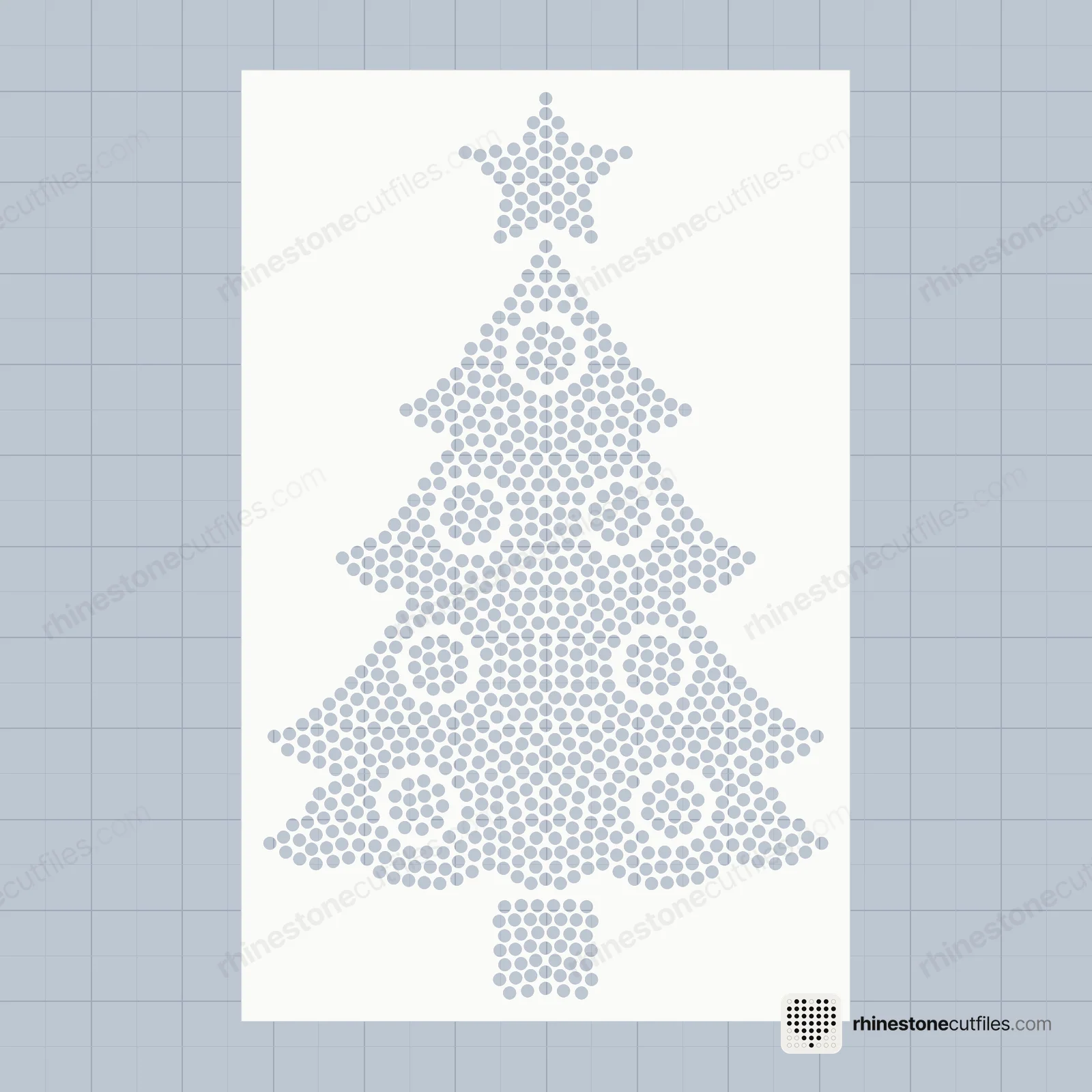
No. A template holds stones by size, not material: a 2.8 mm SS10 stone fits a .135 in hole whether it's glass or resin. What matters is that the stones are true to size and round. If a batch runs large or small, stones can jam or sit loose, so measure a few if a fill feels wrong.
Stones that won't sit flat are a separate problem. If they flip upside down, brush in small circles, use more stones than holes and tap the board. Our troubleshooting guide covers more.
Which should you pick?
- Pick glass if you're making a shirt you'll wash and wear, or selling shirts.
- Pick glass if you want the most sparkle from a template design.
- Pick resin if it's a glue-on craft or a small accent where cost matters more than shine.
- Pick acrylic if it's a costume, a kids' craft or a short-term project, and test it before any heat.
For how the glue side works, see hotfix vs non-hotfix rhinestones.
FAQ
Are glass rhinestones better than resin?
For shirts, usually. Glass sparkles more, takes the heat of a press and keeps its shine through washing. Resin is lighter and costs less, and suits glue-on crafts.
Can you heat press acrylic rhinestones?
Only if they're sold as hotfix, and test one first. Plastic can soften or dull at the 320-335 °F (160-168 °C) used for rhinestones.
How can I tell if rhinestones are glass or plastic?
Glass usually feels heavier and cooler to the touch, and its facets look sharper. Plastic is lighter and may show small moulding marks. When in doubt, check the label or ask the seller.
Which rhinestones keep their sparkle in the wash?
Glass hotfix stones tend to hold their shine best. Whatever you use, wait 48 hours before washing, then wash inside out, cold and gentle, and hang to dry. More in how to wash rhinestone shirts.